
In today’s busy lifestyle, buying fresh vegetables every day is not always possible. That’s why frozen vegetables have become a popular alternative. But many people wonder—are frozen vegetables healthy? Do they lose their nutrients? Let’s find out the truth.
How Are Frozen Vegetables Made?
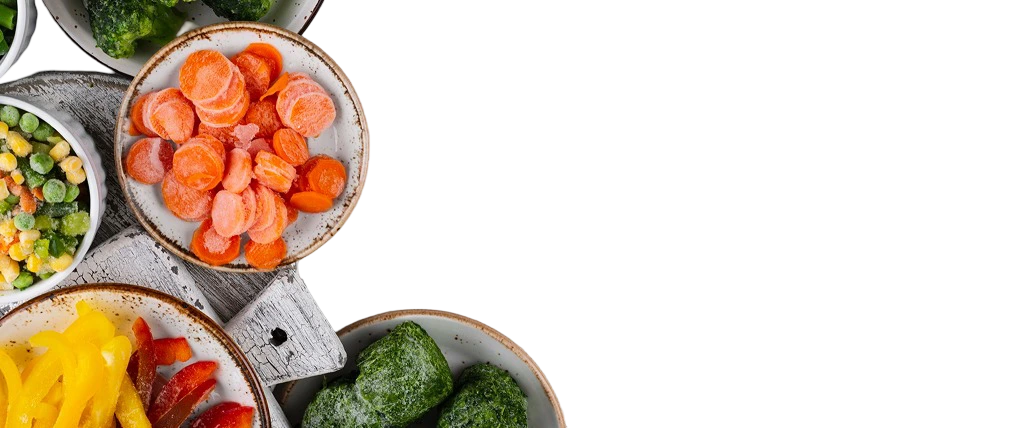
Frozen vegetables are processed right after harvesting. They are washed, cut, and quickly frozen using a method called flash freezing. This process helps to:
-
Preserve vitamins and minerals
-
Keep the natural color and taste
-
Prevent bacterial growth
-
Increase shelf life
Because of this quick freezing method, most nutrients remain almost the same as fresh vegetables.
Benefits of Frozen Vegetables
1. Rich in Nutrients
Studies show that frozen vegetables often contain similar levels of vitamins, fiber, and minerals as fresh ones. Sometimes they are even healthier than fresh vegetables stored for many days.
2. Saves Time
No washing, peeling, or cutting is needed. You can cook them directly, which is perfect for working people.
3. Available All Year
Seasonal vegetables can be enjoyed anytime, even in the off-season.
4. Less Food Waste
You can use only the amount you need and keep the rest frozen.
Are There Any Disadvantages?
-
Some brands add extra salt or preservatives
-
Re-freezing after thawing can reduce quality
-
Deep frying frozen vegetables makes them unhealthy
Always check the label before buying.
Best Way to Cook Frozen Vegetables
-
Cook directly without thawing
-
Avoid overcooking
-
Steaming or light sautéing is best
-
Do not refreeze once thawed
Best Vegetables to Buy Frozen
-
Green peas
-
Corn
-
Broccoli
-
Carrots
-
Spinach
-
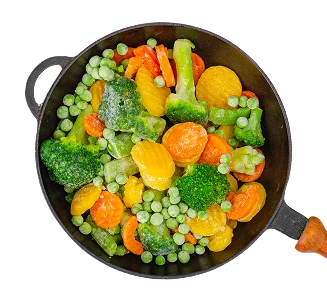
Mixed vegetables
Final Thoughts
Frozen vegetables are a smart, healthy, and convenient option for modern life. If you choose good quality products and cook them properly, they can be just as nutritious as fresh vegetables.
So don’t hesitate to keep a pack of frozen veggies in your freezer—they can help you maintain a healthy diet even on your busiest days!