Choosing a frozen vegetable supplier for the Australian market involves more than comparing product prices.
For importers, foodservice businesses, HORECA operators, distributors and food processors, the right supplier needs to deliver consistency across product specifications, quality, cold-chain handling, documentation, packaging and supply capacity.
A supplier may offer the right vegetable, but the bigger question is whether they can consistently deliver the required specification, volume and quality while supporting the requirements of international trade.
For Australian buyers evaluating a frozen vegetable supplier in Australia or sourcing directly from India, these five areas deserve close attention.
1. Product Specifications & Quality Consistency
A reliable frozen vegetable supplier should be able to clearly define what the buyer is receiving.
For B2B applications, small differences in product specifications can affect preparation time, portion control, appearance and final product consistency. Buyers should therefore look closely at:
1. Cut size and dimensional tolerances
2. Colour uniformity
3. Moisture contro
4. Product grade
5. Individual piece separation
6. Product consistency between batches
7. Packaging specifications
This becomes especially important when vegetables are being used across commercial kitchens or food-processing operations where repeatability matters.
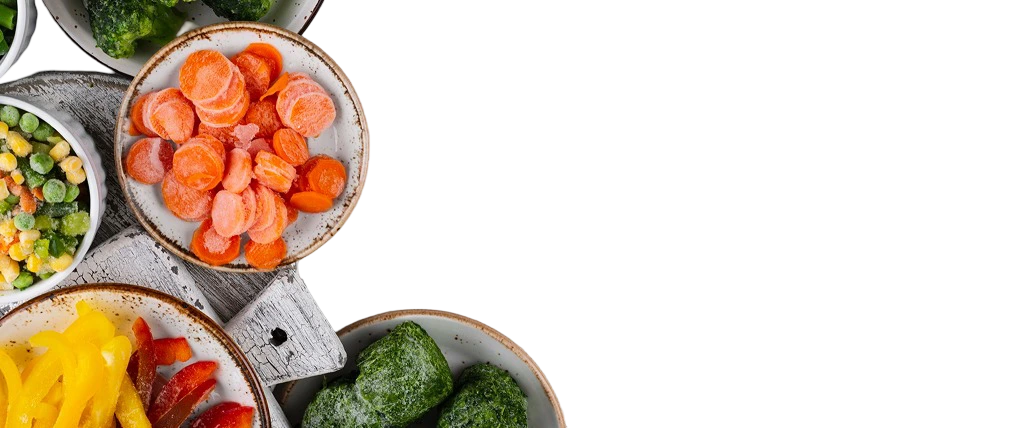
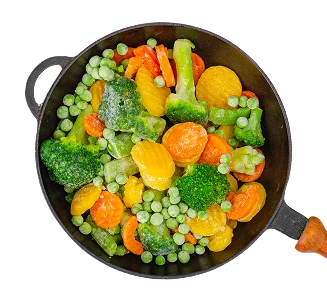
Typical export requirements may include IQF Green Peas, IQF Sweet Corn Kernels, IQF Bell Pepper Dice, IQF Broccoli and IQF Cauliflower Florets, along with other vegetable formats.
FoodLynk’s broader IQF range also includes Green, Red and Yellow Bell Pepper Dice, French Beans, Cut Okra and Spinach Cube. IQF processing keeps individual pieces separate, making products easier to portion, handle and prepare for commercial use.
What should buyers ask?
Before placing an order, request a detailed product specification sheet covering cut size, grade, quality parameters, packaging, storage requirements and applicable product standards.
2. Cold-Chain & Logistics Control
Frozen vegetables depend on controlled temperature management throughout their journey.
The freezing process is only one part of the equation. Once the product has been frozen, storage, handling, loading and transportation also need to be managed carefully.
FoodLynk’s existing processing approach covers rapid IQF freezing followed by controlled frozen storage and temperature-managed transportation. The original technical article specifies processing temperatures reaching approximately -35°C to -40°C, with finished products maintained below -18°C during storage.
For Australian imports, temperature requirements also connect with biosecurity conditions. DAFF states that permitted frozen fruits and vegetables must generally be frozen for a minimum of seven consecutive days at -18°C before arrival and must arrive in Australia frozen. Commodity- and country-specific conditions can also apply, so buyers and exporters should verify the applicable BICON requirements before shipment.
For a buyer evaluating an IQF exporter in India, useful questions include:
• How is frozen storage managed?
• How is temperature monitored during transportation?
• What documentation supports the cold-chain process?
• How are reefer containers handled?
• How are temperature-sensitive shipments coordinated?
A dependable cold chain is not simply a logistics function. It is part of product quality.
3. Biosecurity & Import Compliance
Australian food imports involve requirements beyond product quality.
Imported food must comply with the Australia New Zealand Food Standards Code, while biosecurity requirements also apply. DAFF administers Australia’s risk-based imported food inspection framework, making regulatory preparation an important part of international sourcing.
For frozen vegetables, buyers should understand the applicable requirements before confirming a shipment. These can include:
• Product-specific import conditions
• Biosecurity requirements
• Required treatment or processing
• Documentation
• Packaging requirements
• Product declarations
• Customs and import documentation
The exact conditions can vary depending on the vegetable, country of origin and intended use. This is why checking the current BICON conditions for the specific product is important before shipment.
A supplier supporting the Australian market should be able to work with the buyer and relevant logistics partners to prepare the required documentation and shipment information.
4. Supply Chain Scalability
A supplier may perform well on a small trial order but struggle when volumes increase.
For B2B buyers, scalability is an important part of supplier evaluation. Consistent access to raw materials, structured sourcing and production planning can influence whether a supplier can support repeat orders and larger requirements.
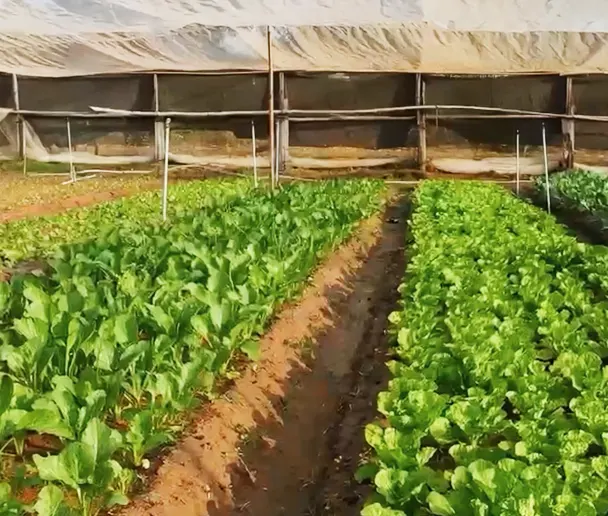
FoodLynk’s sourcing model is supported by a structured network of 70,000+ farmers, providing a broader sourcing base for frozen vegetable production.
The objective is not simply to source more vegetables. It is to build a supply system capable of supporting different product requirements and commercial volumes.
For an importer searching for a bulk IQF green peas supplier in Australia, for example, the discussion should go beyond the initial quotation.
Consider asking:
• What monthly or seasonal volumes can the supplier support?
• How is raw material sourced?
• How does the supplier manage seasonal availability?
• Can specifications remain consistent across repeat orders?
• What happens when order volumes increase?
A scalable supply chain gives buyers greater confidence when planning long-term procurement.
5. Commercial & Packaging Flexibility
Different buyers have different operational requirements.
A food processor may need bulk quantities, while a foodservice distributor may require a different pack size or format. Hotels, restaurants and institutional kitchens may also have specific requirements around portioning, storage and handling.
That makes packaging flexibility an important consideration when selecting a supplier.
Depending on the application, buyers may evaluate options such as 10kg or 25kg bulk cartons/bags, along with other pack formats based on product and commercial requirements.
The discussion should also cover:
• Pack size
• Carton configuration
• Bag specifications
• Product labelling
• Palletisation
• Export packaging
• Storage and handling requirements
The right packaging format can make a significant difference once the product enters a buyer’s own distribution or production system.
What Should Australian Buyers Look for in an IQF Supplier?
Before finalising a supplier, a simple evaluation checklist can help:
1. Product Quality
Are the specifications clearly defined and consistently maintained?
2. Processing Capability
Does the supplier have controlled processing and IQF freezing systems?
3. Cold-Chain Management
Can the supplier maintain controlled frozen conditions through storage and transportation?
4. Compliance Readiness
Can the supplier support the documentation and requirements relevant to the Australian market?
5. Supply Capacity
Can the supplier support both trial quantities and larger repeat orders?
6. Packaging Flexibility
Can the supplier provide packaging formats suited to the buyer’s operation?
7. Communication
Can the supplier respond clearly to specifications, samples, documentation and shipment planning?
These factors often reveal more about a supplier’s long-term suitability than price alone.
Why Supplier Selection Matters
A frozen vegetable supplier becomes part of a buyer’s wider supply chain.
The relationship affects product consistency, production planning, inventory management, logistics and ultimately the buyer’s ability to serve its own customers.
That is why supplier selection should focus on the complete system behind the product — from sourcing and processing to quality checks, cold-chain management, packaging and export handling.
FoodLynk follows a structured process covering sourcing, processing, IQF freezing, packaging, cold storage and export handling, with a focus on traceability, food safety and temperature-controlled logistics.
For businesses looking for a frozen vegetable supplier for Australia, the right partner should offer more than a product catalogue. It should provide a supply system capable of supporting the buyer’s specifications, volumes and long-term requirements
Looking for a Verified IQF Vegetable Export Partner for Australia?
FoodLynk supplies premium IQF Green Peas, IQF Sweet Corn, IQF Bell Peppers and custom-cut IQF Frozen Vegetables, with a focus on biosecurity requirements, cold-chain management and dependable B2B supply.
If you are an Australian importer, distributor, foodservice business or food processor, the FoodLynk team can discuss your product specifications, packaging requirements and volume needs.
Request Product Specifications & Catalogue →
Australia Regional Desk: +61 468 184 946
Email: info@foodlynkworld.com